
Isle of Man Post Office is pleased to announce the extension of the trial period for its UK bound Special Delivery - Next Day service until the end of 2024. This announcement follows the success of an initial trial period, following Royal Mail’s withdrawal of the dedicated mail plane.

Isle of Man Post Office proudly presents a set of six stamps celebrating the life of honeybees in recognition of the 150th Anniversary of the British Beekeepers Association (BBKA).
Isle of Man Post Office (IOMPO) would like to announce the following operational changes for the coming Easter bank holidays which are also available on their website www.iompost.com/bankholiday:
Isle of Man Post Office is running a tender exercise (on the Isle of Man Government procurement website) for the provision of counter services in the vicinity of the existing Windsor Road Post Office in Douglas.
Following a procurement process, Isle of Man Post Office (IOMPO) is pleased to announce it has appointed a new provider of postal services for Port Erin.
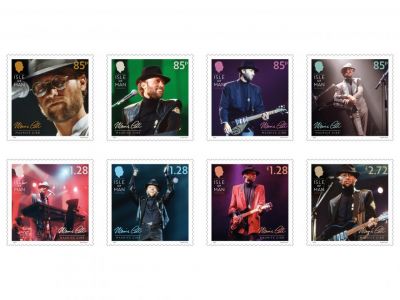
On Thursday 29th February, the life and career of Maurice Gibb CBE, singer, songwriter, multi-instrumentalist, and producer will be celebrated by Isle of Man Post Office (IOMPO) with a set of eight postage stamps featuring images from one of the most accomplished and sought-after music photographers in the world, Guido Karp.
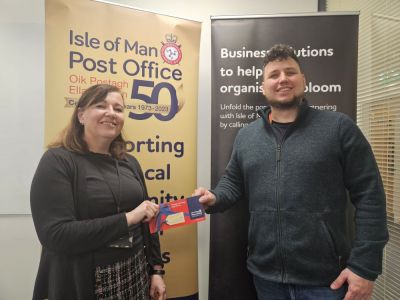
Isle of Man Post Office (IOMPO) is thrilled to announce exceptional results from its recent Business Solutions customer satisfaction survey.